


Wooden furniture adds warmth, personality and a touch of classic beauty to any house. From a solid teak dining table to a carved coffee table or a favourite bookshelf, these pieces are often an investment meant to last for decades, or even be passed down through generations. But wood is a natural, living substance, and it must receive the proper sort of treatment to remain beautiful. Washing it improperly using harsh sprays or excessive water may flatten the finish, leave stains, or even distort the surface in the long run.
Knowing how to clean wood furniture properly is the difference between furniture that ages gracefully and furniture that looks tired far too soon. This guide walks you through simple routines, gentle solutions, and the common mistakes worth avoiding.
Table of Contents
Why Wood Needs Gentle, Regular Care?
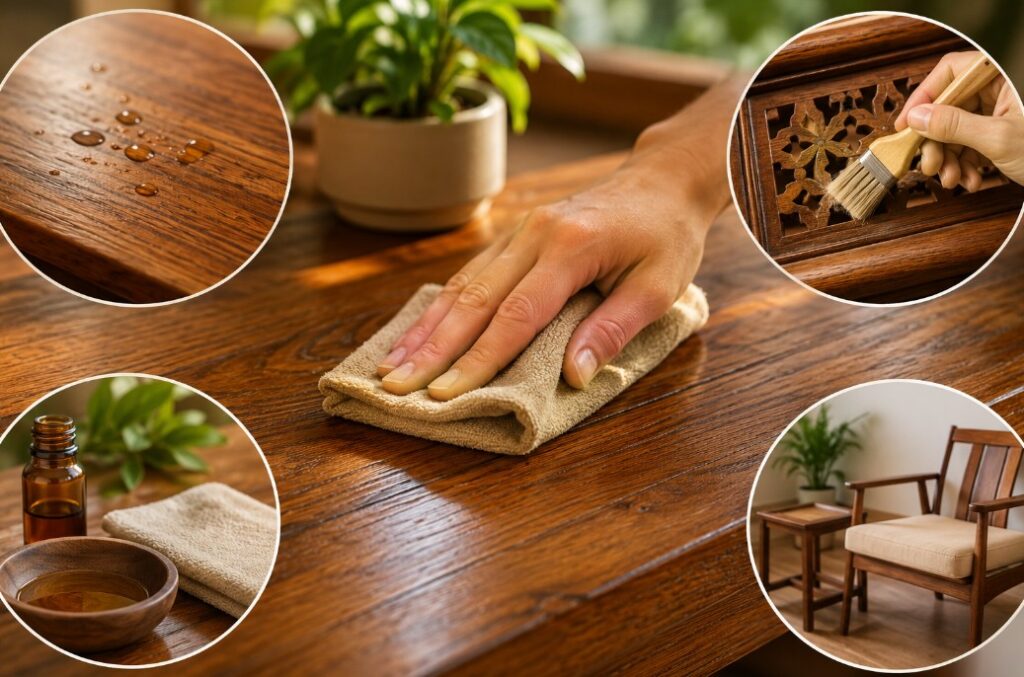
Wood is porous and receptive to the environment unlike glass or metal. It is moisture absorbing, humidity sensitive and may fade or dry up in the presence of heat and direct sunlight. The coating of most furniture, be it varnish, lacquer, oil or wax, creates a shield that keeps the wood healthy, but this coating can be removed through rough cleaning. This is why gentleness is so important.
Light touch, light products, and frequent care will never do your furniture ill, as compared to heavy scrubbing once in a while. Consider wood care as a preventive measure, not a cure: small, regular routines will help keep the wood clean and avoid the accumulation of dirt and the harm that often comes with it.
Know Your Finish Before You Start
It is a good idea to know how your furniture is finished before you clean anything, as various surfaces require a little different treatment. The majority of contemporary works are sealed with varnish, polyurethane, or lacquer, which is somewhat waterproof and the simplest to clean. Oiled wood is more natural and matte in appearance and requires re-oiling every now and then instead of being subjected to water-intensive cleaning. Waxed surfaces are smooth and soft to touch and must not be soaked.
Painted furniture is generally hard-wearing but can chip if scrubbed too hard. When in doubt, apply any cleaning solution on a small, inconspicuous part first and wait a few minutes to observe a reaction. This is the easiest action that lies at the core of cleaning wood furniture.
Everyday Cleaning: The Simple Routine
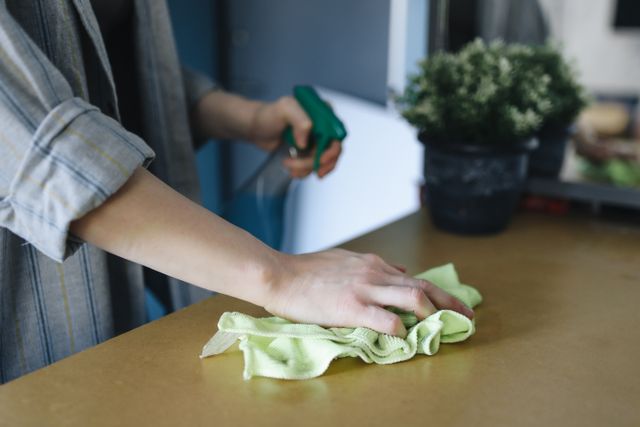
In the majority of cases, there is no need to have something fancy to keep wood clean. A light, frequent routine will ensure that dust and spills do not become intractable issues, and this is the basis of cleaning wood furniture.
- Dust Regularly with a Soft Cloth
Dust might appear innocent, but its gritty particles are fine enough to scratch a wooden surface with time and make it lose its shine. Clean your furniture at least once or twice a week with soft dry microfibre cloth, which collects dust without leaving any lint or fine scratches. A soft brush or a clean and dry paintbrush is perfect in carved details and tight corners.
- Wipe Spills Immediately
The largest enemy of wood is liquids. Water, tea, coffee or juice that is left to sit may seep into the surface and leave rings or dark spots. When anything spills, wipe it immediately with a soft, absorbent cloth instead of wiping outward and dry the place. Timely intervention will eliminate nearly all liquid-related damages.
- Give It an Occasional Damp Clean
Your furniture will require more than dusting every now and then. Wet a soft cloth with water and a drop of mild dish soap, squeeze it out until it is barely wet and wipe across the grain. Wipe off with a second dry cloth to get off any moisture. Do not allow water to stagnate.
Tackling Common Problems
Despite good habits, wooden furniture sometimes gets marks and niggles. The most common ones can be treated in the following way:
- Water rings and heat marks: Rub the mark with a small amount of non-gel toothpaste on a soft cloth, or a paste of baking soda and water, then wipe clean and dry.
- Greasy sticky dirt: Built-up dirt is often removed by a cloth moistened with a weak solution of mild soap and warm water. Wipe the place dry.
- Minor scratches: Rub a shelled walnut or a similar wood marker along the scratch to cover it, always in the direction of the grain.
- Smelly drawers: Add a small bowl of baking soda, or a few coffee beans, to the inside of the drawer to absorb the smell on its own.
Restoring Shine and Protecting the Wood
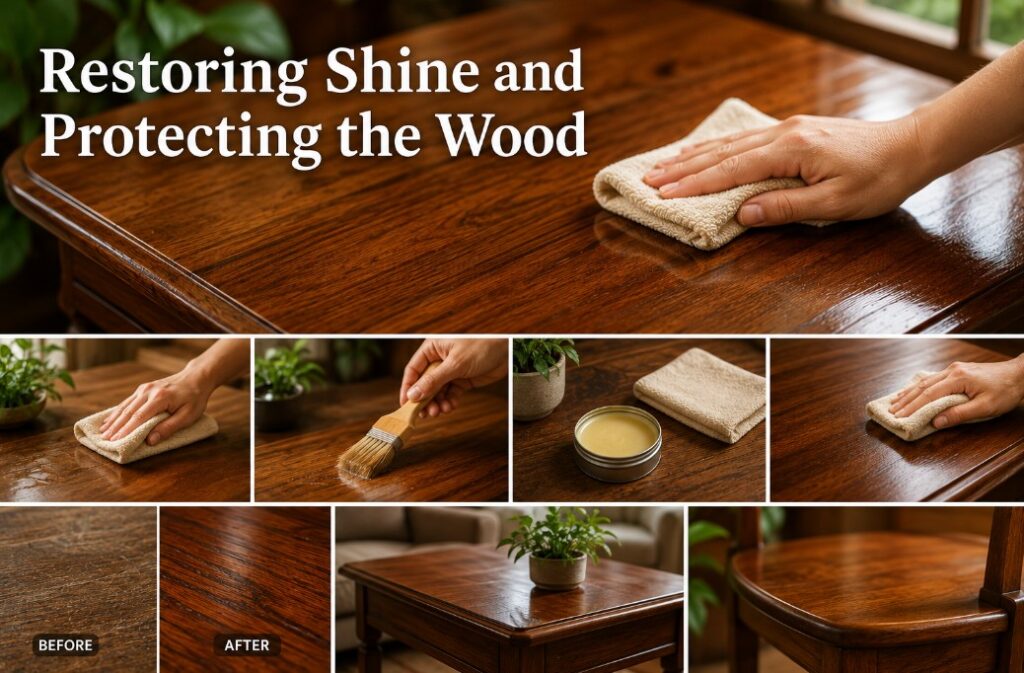
Half the battle is cleaning. To keep wood looking rich and healthy, it needs occasional nourishment and a little protection from the elements.
- Polish or Wax Occasionally
A good furniture polish or paste wax, which is applied a few times a year, provides a protective coating and a soft finish. Apply a thin coat with a soft cloth, allow to rest a little, and then rub in the grain. Spray polishes should be used sparingly because they may create a dulling effect in the long run.
- Re-oil Dry or Thirsty Wood
Furniture that appears pale or dry will be happy to absorb a new layer of furniture oil or a natural alternative such as linseed oil. Wipe it off evenly, leave it to soak for about 15 minutes and polish off the excess. This adds back richness and warmth to the colour.
- Protect It from Sun and Heat
Move furniture out of direct sunlight, radiators, and other sources of heat, which dry and crack wood with time. Place coasters, placemats and felt pads under items and place a tablecloth or a runner where things are frequently placed.
Mistakes to Avoid
Even some good intentions may damage your furniture. Steer clear of these:
- Cleaning with all-purpose sprays, ammonia, or bleach, which may remove the finish and discolour it.
- Soaking the wood or leaving it wet, as excess water causes swelling, staining, and warping.
- Washing with abrasive pads or scouring powders leaving fine scratches.
- Wiping in a cross-grain direction, which may drive dirt into the surface and appear uneven.
- Relying heavily on silicone-based sprays, which build up and attract even more dust.
Conclusion
Wooden furniture pays off a bit of care with decades of beauty and personality. The gist of cleaning wood furniture is straightforward: dust frequently, wipe up messes, clean with gentle products, and keep the surface dry, hot, and free of harsh chemicals. Match your method to the finish, treat marks promptly, and nourish the wood now and then to keep it glowing. These simple habits will keep your favourite pieces as welcoming and beautiful as the day you took them home, and will be enjoyed and even bequeathed for generations to come.
