
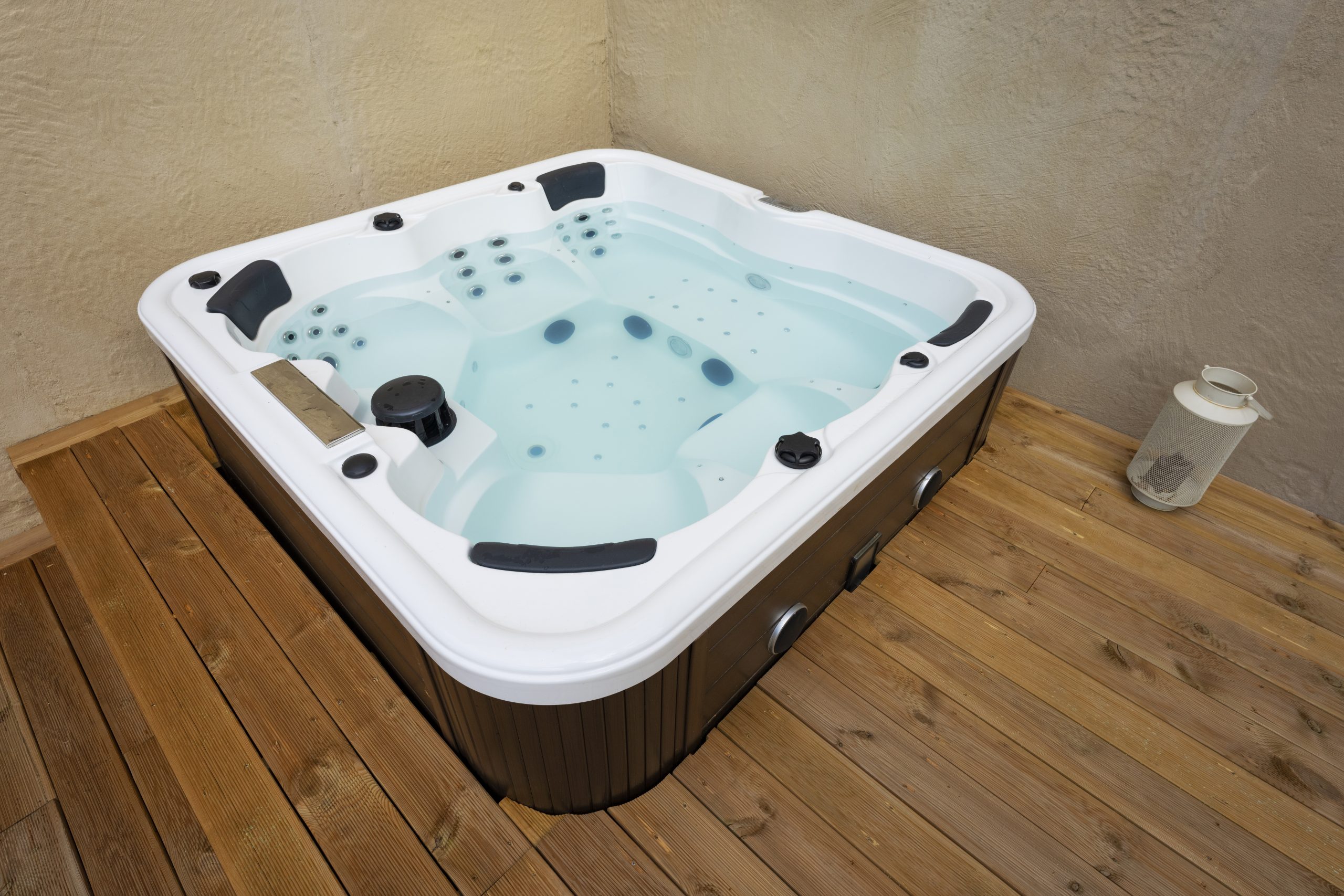

When the idea of owning a hot tub first crossed my mind, I pictured peaceful evenings under the stars and lazy Sunday mornings with coffee in hand. The reality, though, came with more learning curves than I expected. If you’re currently daydreaming about that perfect backyard relaxation setup, let me share what I wish I’d known before buying—so your experience can be smoother from the start.
Table of Contents
The Hidden Costs Beyond the Sticker Price
The first surprise hit before the water even filled the tub: the setup costs. The price tag on the hot tub itself rarely includes delivery, electrical work, or the cost of a proper foundation.
Depending on the model, you may need a designated 220-volt outlet and a concrete pad or reinforced deck to support the weight. Installation fees can easily add a few hundred dollars—or even a few thousand—to the total budget. If you’re planning on using it year-round (hello, snowy evenings), a sturdy cover and some insulation upgrades are definitely worth the investment.
Tip: Always ask for a “turnkey” quote that includes the total cost of ownership—delivery, installation, electrical work, and essential accessories. It’s the best way to avoid budget surprises.
Size and Seating Aren’t Just About Comfort
At the store, it’s easy to fall in love with the biggest, most feature-packed model. Waterfalls, LED lights, Bluetooth speakers—what’s not to love? But once that tub takes up half your patio, practicality starts to matter more than flash.
A four-person spa might sound cozy, but it can feel tight if you’re tall or plan to share it with friends. On the other hand, larger tubs use more water and electricity, and they take longer to heat. If your goal is quiet relaxation rather than group entertainment, a mid-size model with a few ergonomic seats and strong jets may be the perfect balance.
Example: Think about how you’ll really use it, not how you picture using it on your best day. That single question can save you both space and money.
Maintenance: More Chemistry Than You’d Expect
I wasn’t prepared for how much water maintenance matters. Owning a hot tub is a mini science project: testing pH levels, balancing alkalinity, shocking the water, and cleaning filters.
Once you get into a routine, it’s manageable—but skipping regular maintenance can lead to cloudy water, bacteria buildup, or even damage to the jets and pump. Some owners invest in saltwater systems for easier upkeep, while others prefer traditional chlorine setups for affordability and familiarity.
Pro tip: Keep test strips, extra filters, and sanitizer tablets on hand. You’ll thank yourself when you realize you’re out on a Friday night before guests arrive.
Energy Efficiency Is a Long-Term Game
When shopping for a hot tub, energy efficiency is a major factor—especially in colder climates. Well-insulated covers, foam-filled cabinets, and high-efficiency heaters make a big difference in monthly energy bills. Also, check if your local utility offers rebates for energy-efficient models. Over time, those small savings really add up. If the manufacturer lists the estimated monthly operating cost for the tub, take it seriously—it’s one of the most accurate predictors of long-term affordability.
Example: My first winter with the tub taught me that keeping it consistently warm uses less energy than letting it cool down and reheating it for every soak. It’s counterintuitive, but true.
Location Can Make or Break the Experience
Where you set up your hot tub will greatly affect how much you use it. Too far from the house, and it becomes a hassle to run out in cold or rainy weather. Too close, and you risk excess moisture and noise near windows or siding. Look for a spot that offers privacy and easy access from a door. A small pergola, privacy screen, or string lights can make the space feel inviting year-round.
Bonus: Good drainage is essential. Even minor flooding or runoff near your tub’s base can cause serious damage over time.
Service, Warranty, and Brand Reputation Matter
I learned quickly that not all brands offer the same level of support. Before buying, research local service availability and check how quickly warranty repairs are handled. Even the best tub will eventually need maintenance—pumps, heaters, and jet seals wear out. Buying from a reputable local dealer often means faster service and better communication than an online-only purchase.
If you’re browsing models and comparing dealers —look for hot tubs across Idaho that prioritize after-purchase support, not just sales.
What I’d Do Differently
If I were to buy again, I’d start with the practical questions before getting swept up in aesthetics. I’d map out where the tub would go, compare long-term running costs, and budget for electrical work early. I’d also spend more time talking to current owners—nothing beats real-world feedback.
Hot tubs can absolutely transform your backyard into a personal retreat. They ease sore muscles, reduce stress, and turn even a short evening soak into a small luxury. But going in well-informed will make that experience even better—and save you from avoidable frustrations down the line.
So before you click “buy” or sign that installation contract, take a day to plan, ask questions, and consider how your hot tub will fit into your lifestyle. Trust me: that extra thought now will make your first dip all the more rewarding.
