
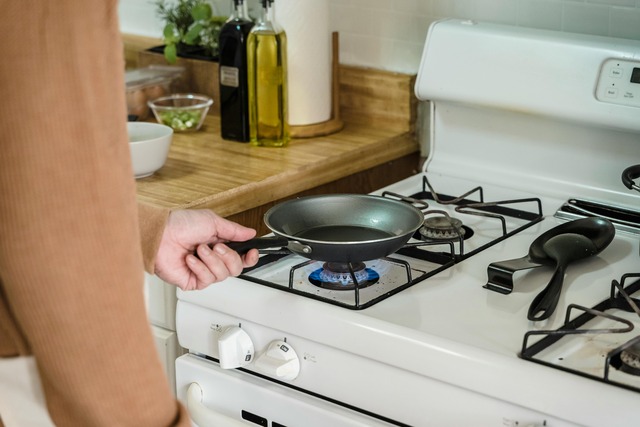

Adding or upgrading a gas line in your home can be a practical way to improve efficiency and functionality, especially if you’re planning to install new appliances or renovate your space. Whether it’s for cooking, heating, or outdoor features, working with professionals who specialise in gas line installation Melbourne ensures the job is done safely and in line with regulations.
Before moving forward, it’s important to understand what’s involved and what to consider to avoid issues down the track.
Table of Contents
Why Proper Gas Installation Matters
Gas systems are highly efficient, but they also require careful handling. Incorrect installation can lead to leaks, poor performance, or even serious safety risks.
That’s why gas work should always be carried out by licensed professionals. They have the knowledge and equipment to ensure everything is installed correctly, tested thoroughly, and compliant with local standards. Beyond safety, proper installation also ensures your appliances operate as intended, helping you get the most out of your setup.
When You Might Need a New Gas Line
There are several situations where installing or upgrading a gas line becomes necessary. This isn’t limited to new builds, many existing homes require adjustments as needs change.
Common reasons include:
- Installing a new gas cooktop or oven
- Adding outdoor features like BBQs or heaters
- Upgrading an older system to support modern appliances
- Renovating kitchens or living areas
In each case, the layout of your home and the capacity of your current system will influence what’s required.
Understanding the Installation Process
While the exact process can vary depending on the property, most gas line installations follow a similar structure.
It typically involves:
- Assessing your current system and requirements
- Planning the safest and most efficient route for the gas line
- Installing and securing the piping
- Pressure testing to ensure there are no leaks
- Connecting appliances and confirming everything is functioning correctly
A professional will also ensure that all work meets relevant safety regulations, which is essential for both compliance and peace of mind.
Key Safety Considerations
Safety is the most important factor when dealing with gas systems. Even small issues can become serious if not addressed properly.
Some important considerations include:
- Ensuring proper ventilation in areas with gas appliances
- Using high-quality, approved materials
- Regularly checking for signs of wear or damage
- scheduling gas line inspections to ensure your system remains safe over time
If you ever notice unusual smells or suspect a leak, it’s important to act quickly and seek professional assistance.
Planning for Long-Term Use
Installing a gas line isn’t just about your current needs, it’s also worth thinking about future use. If you’re already undertaking work, it may be more efficient to plan for additional appliances or features down the line. This can help avoid the need for further modifications later, saving both time and cost.
A well-planned system ensures flexibility, allowing your home to adapt as your lifestyle or preferences change.
Getting It Done Right the First Time
Gas line installation is not something to approach casually. With the right planning and professional support, it can be a straightforward process that adds real value to your home.
By understanding what’s involved and prioritising safety, you can ensure your system is reliable, efficient, and built to last.
