
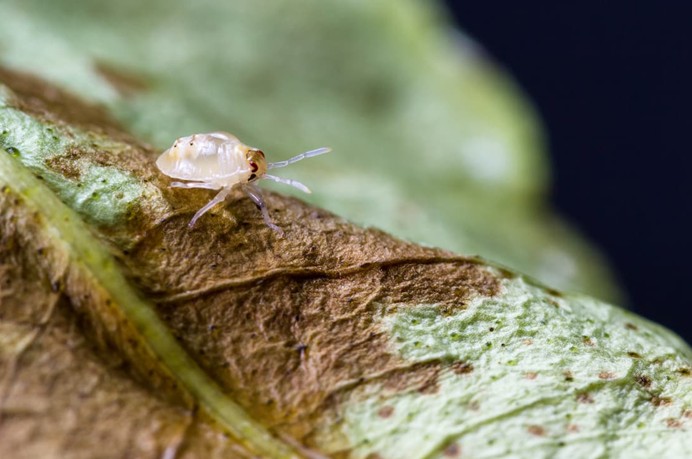

The essential takeaway: Reducing allergen exposure requires a multi-faceted strategy, prioritizing the bedroom by maintaining humidity below 50% and using tightly woven protective covers. This comprehensive approach provides significant relief by breaking the mite breeding cycle through consistent sanitization. Crucially, washing linens at 54.4°C is the specific temperature needed to eliminate these microscopic pests effectively.
Do you feel like your own bed is betraying you because you cannot effectively remove mites home to stop constant sneezing and skin irritation? This guide reveals a comprehensive, multi-step approach to reclaiming your living space through strategic humidity management and specialized sanitization techniques that target these invisible intruders where they hide and breed most. By mastering these specific protocols for high-efficiency air filtration and textile care, you will finally break the cycle of allergen accumulation and restore the clean, safe, and breathable environment your family deserves to enjoy every single day.
Table of Contents
Sanitizing Your Sleep Space To Remove Mites At Home
You spend a third of your life in bed, which is exactly where these microscopic pests thrive most.
Selecting Allergen-Proof Barrier Covers
Mattresses and pillows are the ultimate hubs for mite colonies. Your standard sheets are basically useless against them. They offer zero real protection from these microscopic, hungry critters.
Hunt for fabrics with a dense, tight weave. The pore size must be tiny to trap microscopic particles. But the material should stay breathable for your comfort and airflow.
Buy full zip-up encasements for everything. These seals completely lock the mattress, leaving no room for mites to escape or enter.
Focus on strong protection. This barrier is your primary defense to remove mites home.
Thermal Treatment For Linens And Fabrics
Stick to a weekly washing routine. Water needs to hit 60°C to kill the pests. Cold water merely shifts allergens but leaves live mites. Consistency is the only way to stop their breeding cycle in your bedding.
Toss things in the dryer. A fifteen-minute high-heat cycle wipes out any survivors hiding deep in the fabric fibers.
For silk or delicate toys, try the freezer. Keeping them at sub-zero temperatures for twenty-four hours works wonders.
Follow these heat rules:
- Wash at 60°C minimum
- Dry on high heat for 15 mins
- Freeze delicates for 24h
Controlling Humidity Levels To Inhibit Mite Growth
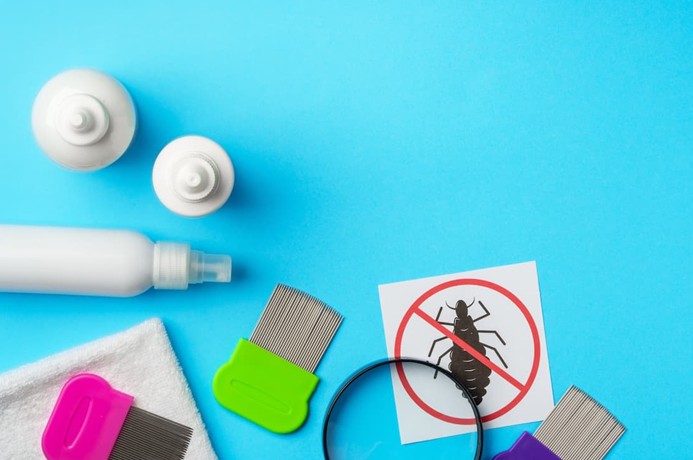
While cleaning fabrics helps, the real battle is won by changing the very air they breathe.
Dehumidification Strategies For Dry Air
Buy a digital hygrometer today. You cannot manage what you do not measure. Keep it in your bedroom for the most accurate readings of your sleeping environment.
Maintain humidity below the 50% threshold to effectively remove mites home. These pests cannot drink; they absorb moisture from the air. Dry air literally dehydrates and kills the entire population.
Run extractor fans in kitchens and bathrooms to remove moisture. Use them every single time you cook or shower.
Air Filtration With HEPA Technology
Upgrade your HVAC system immediately. Standard filters are too porous for microscopic waste. Installing MERV 11 or 12 filters captures the particles that trigger your sneezing. It is a simple swap that makes a massive difference.
Keep ventilation fans running to move air through the filters. Static air allows dust to settle on surfaces.
Replace your filtration media every three months without fail. Clogged filters reduce efficiency and air quality significantly.
Clean air is a lifestyle choice. It requires constant attention, regular maintenance, and a proactive mindset.
Cleaning Surfaces Without Spreading Allergens
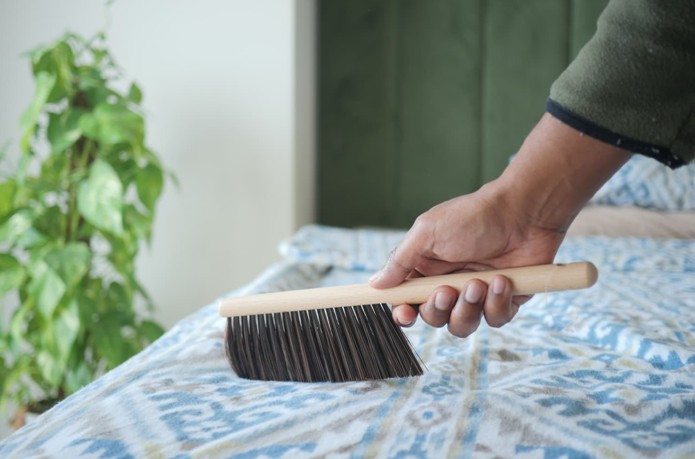
Even with dry air, physical dust remains a problem that requires a specific, “no-stir” cleaning approach.
Switching From Carpets To Hard Floors
You must tackle the carpet issue directly. Fibers act like a giant trap for skin cells. Removing wall-to-wall carpeting in bedrooms is the most effective move.
Switch to better alternatives. Hardwood, tile, or linoleum are much easier to keep sterile. You can see the dust, which means you can actually remove it.
Warn about rugs on concrete. These often trap moisture underneath. This creates a perfect breeding ground for hidden mite colonies.
| Surface Type | Mite Retention | Cleaning Ease | Recommendation |
| Wall-to-wall Carpet | High | Difficult | Avoid |
| Area Rugs | Medium | Moderate | Use Sparingly |
| Hardwood Floors | Low | Easy | Recommended |
| Linoleum | Low | Easy | Recommended |
Damp Dusting And Specialized Vacuuming
Dry dusting is a massive mistake. It just launches allergens into the air you breathe. Use a damp cloth to trap the dust instead. Then, simply wash the cloth in hot water to finish the job.
Buy certified HEPA vacuums. Only these filters prevent the exhaust from blowing fine particles back out. Regular vacuums often make things worse.
Focus on upholstered furniture. These soft surfaces need weekly vacuuming. Don’t forget the crevices where skin cells accumulate.
Using damp methods ensures the dust stays put. It is a smarter way to clean.
Specific Protocols For Children And Pets
Our little ones and furry friends often bring the most joy, but also the most dust.
Managing Stuffed Animals And Bedding
Soft toys are essentially dust magnets. Wash them frequently or use the freezer method mentioned earlier to keep them safe. To remove mites home spaces need this care.
Simplify the bed environment. Remove decorative pillows and extra blankets. The fewer soft items in the room, the fewer places mites can hide and grow.
Tackle general bedroom clutter. Books and magazines collect dust very quickly. Store these in closed bins or move them to a different room entirely for better air.
Reducing Pet Dander As A Food Source
Dander is a primary food source for these pests. Grooming your pets outdoors prevents this “food” from settling in your carpets. It stops the indoor population from exploding. This is a simple win.
Set strict boundaries for animals. Keep them out of the bedrooms at all times. This protects the most sensitive area of your home.
Synchronize cleaning schedules. Wash pet beds whenever you wash your own linens at 60°C.
- Groom pets outside
- Keep pets out of bedrooms
- Wash pet bedding weekly
Sanitizing bedding at 60°C, maintaining humidity below 50%, and damp-dusting surfaces are vital to remove mites from your home environment. Take action in your bedroom today to slash allergen levels and finally reclaim your comfort. Your journey toward a breathable, symptom-free sanctuary starts now.
FAQ
How should I properly install allergen-proof covers on my bedding?
To ensure maximum protection, start by cleaning your mattress with a HEPA-filtered vacuum before installation. It is also recommended to wash the new covers first to achieve an optimal fit. For the best results, work with another person to slide the cover over the mattress evenly, making sure to position the protective flap correctly under the zip before sealing it completely to prevent any allergen leakage.
What is the minimum wash temperature required to kill dust mites?
To effectively eliminate live dust mites and their eggs, you must wash your linens at a temperature of at least 60°C. While washing at 30°C or 40°C might remove surface allergens and debris, it is not hot enough to kill the pests themselves, meaning they can quickly recolonise your bedding within days.
How can I remove mites from delicate items like stuffed toys?
For soft toys that cannot withstand high-temperature washes, freezing is an excellent alternative. Place the items in a freezer for 24 hours to kill the mites. Afterwards, tumble dry them on a low or air-only cycle for about 15 to 20 minutes; this helps to physically shake out and remove the dead mites and leftover allergens from the fabric fibers.
Which flooring options are most effective at reducing mite populations?
Hard, smooth surfaces are far superior to carpets. Options such as vinyl, tile, and hardwood are highly recommended because they do not trap the moisture or skin cells that mites feed on. If you must use rugs, choose low-pile synthetic versions that can be cleaned easily and frequently with a HEPA vacuum.
How do I clean my home without spreading dust into the air?
The golden rule is to avoid dry dusting, which simply launches allergens into your breathing zone. Instead, always use a damp cloth to trap the dust effectively. Furthermore, ensure your vacuum cleaner is fitted with a certified HEPA filter to prevent fine particles from being exhausted back into the room, and try to keep your home’s humidity levels below 50%.
Are there any alternative devices that help prevent mite reproduction?
Yes, supplementary technology can play a role in a multi-faceted cleaning routine. For example, this website mentions a study from the University of Camerino’s School of Veterinary Medicine, which found that ultrasonic devices could prevent mites from reproducing. Integrating such devices can help inhibit population growth alongside regular thermal treatments and humidity control.
