


Home renovation can enhance comfort, functionality, look, and value in the long run. But to do renovation successfully, it is not enough to select nice colors, furniture, or finishes. A clear plan will assist you in managing the expenses and making choices that will assist your lifestyle.
Table of Contents
Start With a Clear Renovation Plan

Any renovation must start with a simple question: what do you want to improve? Your response may include old interiors, lack of storage, room flow, old fixtures or the need to have more living space.
Write down your three most important goals before discussing materials or contractors.
Then, establish the scope of the project. A cosmetic renovation can include painting, lighting, flooring, cabinets, and hardware. A bigger remodel may involve layout, plumbing, electrical, structural, or room extensions.
Build a Realistic Renovation Budget
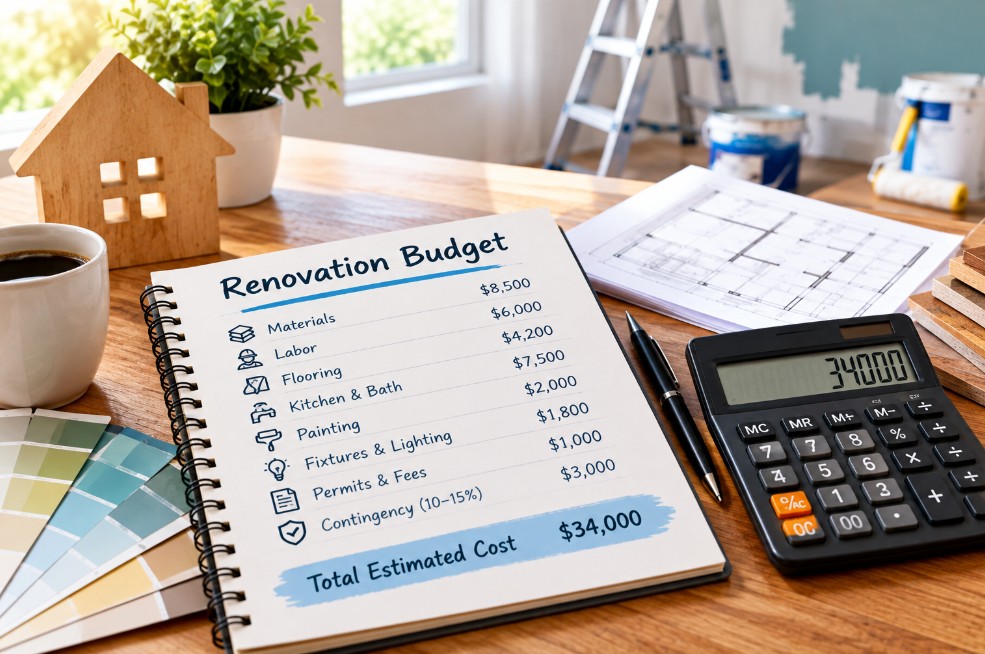
Materials, labor, permits, design fees, equipment, transportation, and cleanup should be detailed in a budget. Get estimates of key activities prior to project scope completion. The local labor costs and material prices may be very different, and the existing estimates are superior to the general ones on the Internet.
Add a buffer stock in case of unforeseen problems. It is possible that older houses have concealed plumbing issues, old-fashioned wiring, dampness, or structural issues that are discovered during the work. Having extra money on hand will help avoid delays in case repairs are needed.
Distinguish between necessary and optional improvements. Full emergency repairs and functional upgrades first. Ornamental additions may be added later when the basic renovation is still affordable.
Prioritize High-Impact Areas
There are parts that can alter the general look of a house without necessarily having to restructure it. One of them is the kitchen. A refresh of the cabinet fronts, countertops, backsplash, handles, and lighting can make a visible change without altering the layout.
The same can be applied to bathrooms. A new vanity, updated fixtures, improved lighting, fresh grout, and carefully selected wall finishes can make the room feel cleaner and more modern.
Do not overlook the entrance and exterior. First impressions can be enhanced by a fresh front door, improved outdoor lighting, new house numbers and landscaping. The interior lighting is also worth considering since layered ambient, task, and accent lighting may affect the perception of spacious rooms.
Improve Functionality, Not Just Appearance
Everyday living should be made easier with a renovation. Think about where the clutter is, where people move around the house, and where they find it hard to use.
One of the most feasible improvements is often storage. In-built shelves, vertical shelves, pull-out shelves, and under-stair shelves can utilize the available space better. An unused nook can also be made useful by creating a special place or hobby corner.
When you are thinking about taking down walls, make sure they are load-bearing and seek the advice of a relevant professional before proceeding with structural modifications. Flow can be enhanced to make a home look bigger, yet safety and building needs must take precedence.
Choose Materials and Professionals Carefully
The choice of materials must be a compromise between appearance, durability, maintenance, and cost. Floors with high traffic, kitchen surfaces, bathroom fixtures and outdoor materials must be able to withstand frequent use. The selection of products based on their appearance may result in increased maintenance or replacement.
When you have the necessary skills, DIY work might be appropriate in painting, simple decorative updates, or simple installations. Electrical, structural, plumbing, and other specialized work generally require qualified professionals.
When contracting, you should compare prices of several quotes, verify licenses, insurance, references, project schedules, payment conditions, and written contracts.
Manage the Project Step by Step
When you start working, use a logical order. Surface finishes and decorative details should be added after structural repairs and necessary infrastructure. Keep a record of purchases, changes, payments and decisions.
Periodically check against schedule and budget. When some unforeseen issue arises, know its cost and effect before authorizing further work. It is advisable not to change the design too often once the construction has begun since this may cause delays and extra costs.
Bring Your Renovation Vision to Life
The key to a successful home renovation is not to change everything. It is concerned with making considerate upgrades that fit your needs, budget and priorities. This Renovation Guide Heartomenal begins with planning, proceeds with meticulous execution, and concludes with a more functional and personal home.
Before starting, define what success means for your household. Then plan your budget, make realistic upgrades, select trusted professionals, and make long-term use decisions.
