
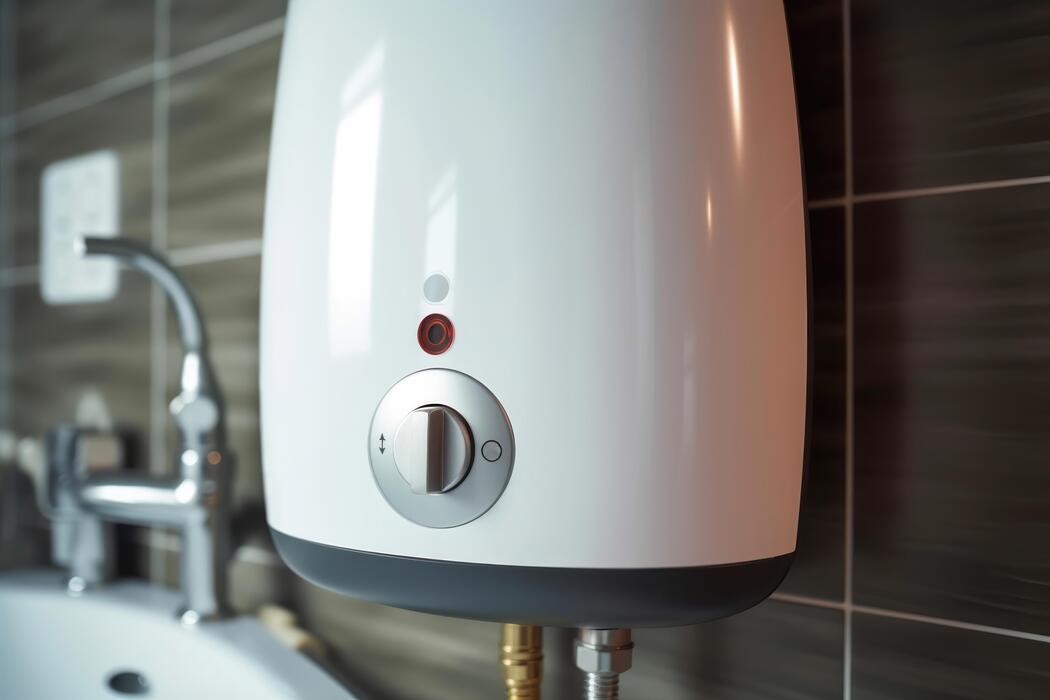

Your hot water tank may be a hidden source of energy waste. You may not notice because hot water is still there when you need it. But if the system has to work harder than it needs to, energy consumption can slowly rise over time.
You can find out by inspectingthese elements of your hot water system.
Table of Contents
Check For Heat Loss
A hot water tank constantly maintains hot water. In some cases, the tank or pipes are not well insulated. So heat is lost to the surrounding space. The system then must be operated more frequently to reheat the water to the required temperature.
Inspect the vicinity of the tank for signs of insufficient insulation, especially if the tank is in a cold:
- Basement
- Garage
- Utility room.
Unnecessary heat loss can also be minimized by insulating exposed hot water pipes.
Look At the Temperature Setting
An unnecessarily high setting could result in a greater energy expense.
Review manufacturer’s requirements and specific household needs. However, don’t make major temperature changes without considering safety factors. Especially if children or the elderly use the hot water system.
Pay Attention to Sediment
Over time, minerals and sediment may accumulate in the bottom of a conventional water tank. This can affect itseffectiveness.
Sediment may be a possible cause if you can hear unusual noises from the tank,such as:
- Popping
- Rumbling
- Crackling.
That is why regular maintenance is important. A technician can identify buildup before it becomes a significant issue for the system.
Monitor Changes In Performance
A change in the way your hot water system functions can give valuable clues. Maybe:
- The watertakes longer to heat
- The tank empties faster than normal
- It cycles more often.
These changes may be associated with a problem with parts like the:
- Heating element
- Thermostat
- Other internal parts.
If so, schedule a hot water tank repair. A technician can correct the problem before the tank continues to operate inefficiently for months.
Check For Leaks
Any leak, no matter how minor, can impact the effectiveness of your system. Check for leakage in the:
- Tank
- Connections
- Nearby pipes.
If there is a leak, the system may need to heat replacement water over and over.
It is easier to inspect around the tank for:
- Moisture
- Puddles
- Corrosion
- Dripping connections.
In some cases, a leak may be an emergency, especially if it’s directly from the tank.
Take Into Account the Age Of the Tank
Lastly, tanks may become less efficient due to wear and the build-up in the tanks. If you think that your energy consumption has gone up while your home usage seems unchanged, then the age and condition of the tank may be a factor.
Old doesn’t always mean it’s time to replace the tank. Knowing what it is like, however, can aid you in determining the best course of action.
