
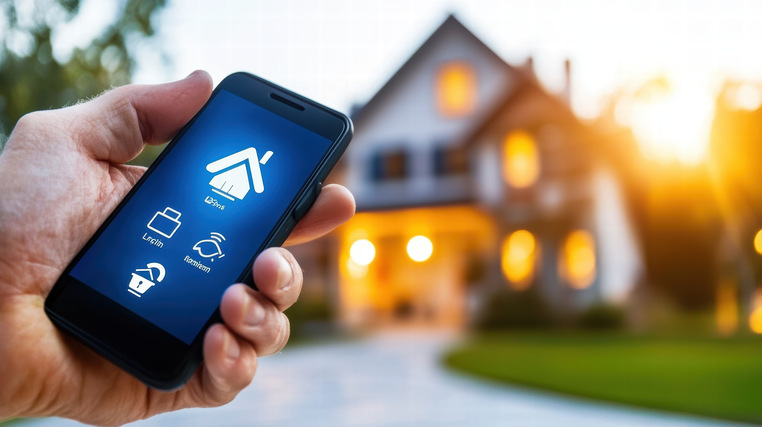

Modern homes are more connected than ever before. From smart lighting and security systems to entertainment devices and energy management tools, technology has transformed the way people interact with their living spaces. While these advancements offer convenience and efficiency, homeowners should understand the foundations of modern connectivity to ensure their systems perform reliably and securely.
Table of Contents
The Rise of the Connected Home
The concept of a connected home has evolved rapidly over the past decade. What was once limited to internet access and a few wireless devices now includes a wide range of integrated technologies. Smart thermostats, video doorbells, voice assistants, and automated appliances all communicate through a home network.
This connectivity allows homeowners to monitor and control various aspects of their property from virtually anywhere. Whether adjusting the temperature before arriving home or receiving alerts about unusual activity, connected systems provide greater control and peace of mind.
A Strong Network Is Essential
At the heart of every connected home is a reliable network infrastructure. Even the most advanced devices can struggle if the underlying network is weak or inconsistent. Homeowners should consider factors such as internet speed, router placement, and network coverage throughout the property.
Larger homes may require mesh Wi-Fi systems or additional access points to eliminate dead zones. Consistent connectivity is especially important for devices that rely on real-time communication, such as security cameras, smart locks, and video conferencing equipment.
Investing in quality networking hardware can significantly improve performance and reduce frustrations associated with slow or unstable connections.
Wired Connections Still Matter
While wireless technology continues to advance, wired connections remain an important part of modern connectivity. Ethernet cabling provides stable, high-speed communication that is less susceptible to interference than wireless signals.
Many homeowners choose to use wired connections for devices that require maximum reliability, such as gaming systems, network storage devices, and security equipment. High-quality cabling solutions, including products like liberty wire cable, can help create a dependable infrastructure capable of supporting current and future technologies.
A combination of wired and wireless connectivity often delivers the best balance of convenience and performance.
Security Should Be a Priority
As homes become more connected, cybersecurity becomes increasingly important. Every connected device represents a potential entry point for unauthorized access if proper precautions are not taken.
Homeowners should use strong passwords, enable two-factor authentication whenever available, and keep device firmware updated. It is also wise to change default login credentials on new devices immediately after installation.
Creating a separate network for smart devices can add another layer of protection. This approach helps isolate connected gadgets from computers and personal data, reducing the impact of a potential security breach.
Planning for Future Technology
Technology continues to evolve, and homeowners should think long-term when upgrading their connectivity infrastructure. New devices, higher-resolution video streams, and emerging smart home technologies will place increasing demands on home networks.
When installing networking equipment or cabling, it is beneficial to consider future expansion. Additional wiring pathways, upgraded networking hardware, and scalable solutions can make it easier to adopt new technologies without major renovations later.
Future-proofing may require a larger initial investment, but it often saves time and money over the lifespan of the property.
Improving Convenience and Efficiency
One of the biggest advantages of modern connectivity is the ability to improve everyday convenience. Smart systems can automate routine tasks, such as adjusting lighting schedules, managing energy consumption, and controlling entertainment systems.
Connected devices can also contribute to greater efficiency. Smart thermostats learn household patterns and optimize heating and cooling schedules, while energy monitoring systems help homeowners identify areas where electricity usage can be reduced.
These capabilities not only make daily life more comfortable but can also lead to long-term savings.
Conclusion
Modern connectivity offers homeowners remarkable opportunities to enhance comfort, security, and efficiency. Understanding the importance of reliable networks, secure device management, and future-ready infrastructure can help ensure that connected technologies deliver their full benefits. By taking a thoughtful approach to connectivity, homeowners can create a smarter and more adaptable living environment that meets their needs both today and in the years ahead.
Read more posts here.
