
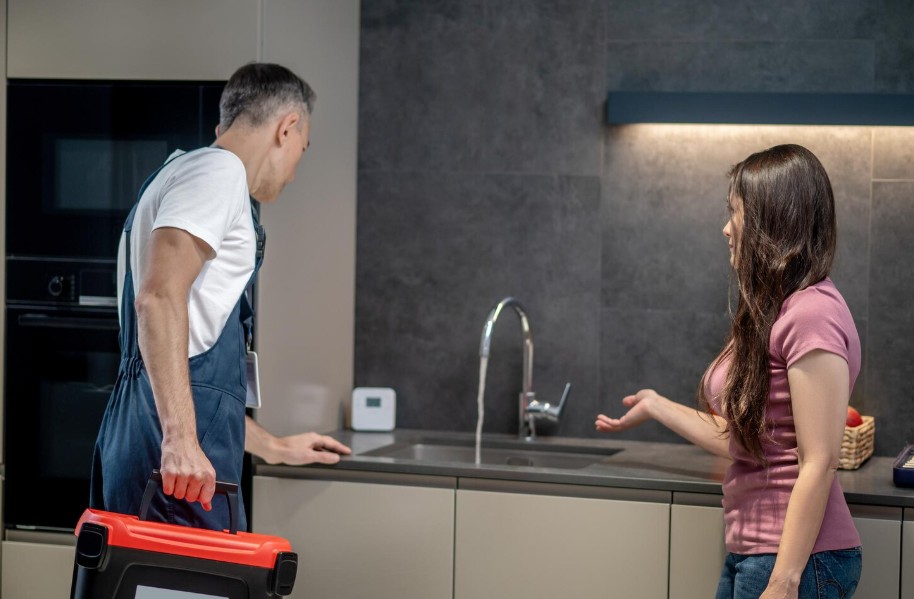

Plumbing emergencies tend to occur when they are least convenient. At midnight, before guests arrive, on a public holiday when no one is working. Yet the most common plumbing scenarios are easy to manage with the right knowledge and approach. Familiarizing yourself with these situations ahead of time is one of the smartest things a homeowner can do, taking a lot of the panic out of the moment should something go wrong.
Table of Contents
Burst Pipes
A pipe bursts and requires immediate action. Water travels quickly and the longer it runs, the worse the damage will be to walls, flooring, and the overall foundation. The first step is to locate the main water shut off valve. In most homes, it’s near the water meter or where the line enters the house. If you’re unsure of your pipe’s location, now would be a good time to find out rather than have to frantically search for it during an emergency.
After the water stops, so does the pressure, so you will have time to assess what’s happening. Smaller leaks can sometimes be temporarily wrapped with plumber’s tape (waterproof) or pipe repair clamps from a local hardware store but that’s a temporary fix at best. Always call a licensed plumber to properly repair or replace the section if needed. A good repair done correctly the first time prevents headaches down the line and maintains home value.
Blocked Drains
Blocked drains are likely the most common issue people complain about when calling a plumber. Kitchens, bathrooms, and laundries all have drains that accrue buildup over time. Hair, grease, soap suds, and food scraps create the biggest offenders. Typically, it’s a slow drain or an unpleasant smell from within the pipes—the latter which is actually helpful—so you can start paying attention before it becomes a full blockage and real issue.
For blockages that are minor, a plunger or drain snake does a great job. Pouring boiling water down a clogged kitchen sink (slowly) helps to break up grease buildup, as does having an enzyme-based cleaner handy for regular maintenance as they’re more pipe-friendly than harsher chemical cleansers.
However, if there’s recurrent backup or multiple slow drains occur simultaneously, that signals something deeper in the sewage system. That’s when professional assistance makes sense. A plumber Croydon who can provide drain cameras/high pressure jetting can clear blockages effectively and assess what’s really going on instead of doing guesswork from the symptoms alone.
Overflowing Toilets
An overflowing toilet presents a panic but one that can easily be fixed. The first thing to do is remove the top of the tank and push down on the flapper valve to stop any more water from entering. Most toilets have a shut off valve on the wall behind or next to them; turning it off stops any additional water entry into the bowl until things can be sorted out.
Normally a toilet overflows due to a blockage in the toilet trap or somewhere down in the drain line. A toilet plunger with consistent firm pressure clears most clogs easily. If that doesn’t work however, a toilet auger can facilitate deeper access into the pipe work beyond what most people can do manually themselves.
Overflows that occur with consistent recurrence are worth looking into as they can signal trouble in the main sewer line; plumbing professionals can diagnose quickly and get things back to normal without much disruption to household life.
Hot Water System Failures
There’s never a good time to wake up to cold water, but hot water system failures are some of the easiest emergencies to fix. It depends on what kind of system you have—hot water heaters or on-demand systems—what type of troubleshooting you can do on your own.
For example, if you have gas systems, check if the pilot light is out. You can find relighting instructions on the system itself. If you have an electric one, oftentimes a tripped circuit breaker solves everything after you reset it. If there is clunking noise coming from within, rusting or leaking from around the bottom—professional intervention is suggested.
Hot water units naturally have a shelf life, so when they start showing signs that they’re getting on in age, it’s best to have someone take a look. Repairs are sometimes not worth it as newer systems are energy efficient and so save you money quicker than anticipated down the line.
Running Toilets and Dripping Taps
These two are less emergency-related and more emergency-worthy because they yield excessive amounts of wasted water while no one’s looking. A running toilet can waste hundreds of litres of water per day, and a dripping tap accumulates faster than people realize when they see it on their bill.
Running toilets usually stem from a torn or faulty flapper valve as well as a broken fill valve inside; both are inexpensive and easy enough for an at-home DIY replacement job so it’s worth taking note. Dripping taps are often due to worn washers or 0 rings which are also easily swapped out.
Being Prepared Makes All The Difference
Knowing where your main shut off valve is located is one of the best useful tools any homeowner could know. Beyond that it’s helpful to keep your own toilet plunger nearby, have a reputable plumber on speed dial, and pay attention early on before problems become worse.
Most plumbing emergencies are very solvable from proactive efforts early on instead of ignoring glaring signs for too long. Homes do much better when owners at least know the basics and have someone they trust for anything beyond DIY work. That preparation combined with support makes homeownership much easier.
