
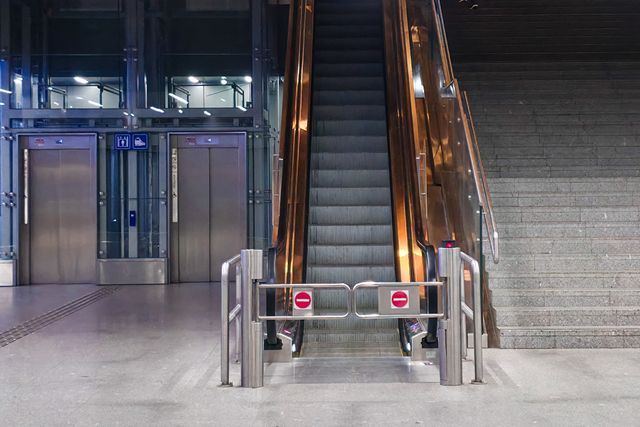

There’s a particular kind of silence that comes before building equipment becomes a real problem. Not total silence, exactly, because the signs are usually there if someone’s paying attention, but the sort of quiet where everything still technically works, so nobody feels much urgency. The lift still arrives, the doors still open, people still get where they’re going, and the odd shudder or slow response gets mentally filed under “something to look at later.”
In a busy building, later can stretch for a long time.
A lift doesn’t need to be completely unreliable before it deserves a closer look. Older passenger and goods lifts can develop risk points slowly, especially when they’re doing more work than they used to or operating with parts and systems that no longer reflect current expectations. For building owners and facility managers, planning hazard reduction upgrades for passenger and goods lifts can be a sensible way to deal with those risks before they become disruptive, expensive or genuinely unsafe.
Table of Contents
The Little Complaints Usually Mean Something
People don’t always report lift issues in technical language. They’ll say the doors feel jumpy, the lift stops a bit unevenly, the ride feels rough, the buttons don’t respond properly, or they avoid using it when they’re carrying something heavy. None of that sounds dramatic on its own, but repeated comments like these can point to problems that are worth investigating.
This matters even more in buildings where the lift is part of everyday operations rather than a nice-to-have convenience. In apartment blocks, offices, warehouses, medical centres, retail spaces and mixed-use buildings, a lift can affect accessibility, deliveries, safety, productivity and general confidence in the property. When it’s out of action, even briefly, everyone suddenly remembers how important it is.
Upgrades Don’t Always Mean Starting Again
One reason lift improvements get delayed is that people assume any serious upgrade will turn into a huge replacement project. Sometimes a bigger modernisation is needed, but often the smarter first step is more targeted. The right work might involve improving door safety, updating emergency communication, reducing trip hazards through better levelling, replacing outdated controls, or addressing specific risks that have developed through age and use.
Those changes may not be glamorous, but they can make the lift safer and easier to live with. In many buildings, the goal isn’t to impress anyone; it’s to make the lift feel uneventful again. Smooth rides, predictable doors, clear communication and fewer faults are exactly the sort of improvements people stop noticing once they’re working properly.
Waiting For a Breakdown Gives You Fewer Options
There’s nothing unusual about putting off infrastructure work. Budgets are real, schedules are tight, and if a lift is still moving, it can be hard to make upgrades feel urgent. The trouble is that waiting until something fails tends to remove choice from the equation.
Planned work can be timed, scoped and communicated properly. Emergency work usually can’t. It happens when it happens, often when the building is busy or when people are least prepared for disruption. Acting earlier also gives managers a better chance of spreading costs, arranging access and avoiding the frustration that comes with repeated faults.
Safer Lifts Make Calmer Buildings
A reliable lift doesn’t draw attention to itself. People step in, press a button, arrive at the right floor and continue with their day. That’s the whole point. Good lift upgrades are rarely about drama; they’re about removing it.
When a building’s lift is safer, smoother and better suited to how the property is actually used, everything around it becomes a little easier. Deliveries move without fuss, residents and staff feel more confident, and managers spend less time dealing with complaints that could’ve been avoided. Sometimes the smartest improvement a building can make is the one that helps everyone stop thinking about the lift altogether.
Want to know more? Head over to our blog!
