

Home remodeling can improve comfort, functionality, and property value. It can also become frustratingly expensive when mistakes occur early in the process.
Many remodeling problems are preventable. Budget overruns, construction delays, and disappointing results trace back to decisions made before the first wall is opened or the first cabinet is installed.
If you’re planning a renovation, understanding the most common pitfalls can help you avoid costly setbacks and keep your project moving in the right direction.
Table of Contents
Mistake #1: Skipping the Planning Phase
Excitement pushes homeowners to begin selecting materials or scheduling contractors before they have fully thought through the project. Unfortunately, rushed planning can create expensive problems later.
Starting without clear goals
Before discussing finishes, fixtures, or paint colors, it’s important to identify what the remodel is meant to accomplish.
A kitchen remodel may be intended to create more storage. A bathroom renovation may focus on accessibility. A home addition may be needed to accommodate a growing family.
Without clear priorities, homeowners find themselves making inconsistent decisions throughout the project. The result can be a finished space that looks attractive but doesn’t solve the original problem.
Making design decisions too late
Changing layouts, materials, or fixtures during construction almost always creates delays as contractors may need to reorder materials, revise plans, or redo completed work. Even minor changes can affect schedules and budgets.
Finalizing major design decisions before construction begins helps reduce surprises and keeps the project on track.
Mistake #2: Underestimating the Budget
One of the most common remodeling mistakes is assuming that construction costs are the only expenses involved. In reality, remodeling budgets include far more than labor and materials.
Focusing Only on Construction Costs
Homeowners frequently overlook expenses such as:
- Permit fees
- Design services
- Material upgrades
- Temporary living arrangements
- Disposal and cleanup costs
These items may represent a relatively small portion of the overall budget individually, but together they can considerably affect the total project cost.
Not setting aside a contingency fund
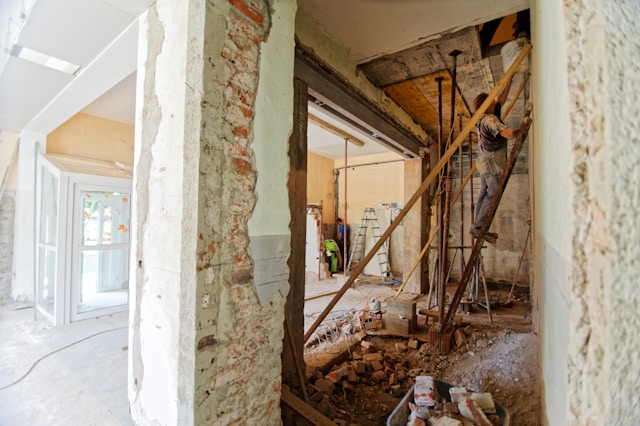
Older homes tend to conceal issues that are impossible to identify… until demolition begins.
Contractors may discover water damage behind walls, outdated wiring, structural deficiencies, or plumbing problems that require correction before work can continue. Setting aside a contingency fund of approximately 10% to 20% of the project budget provides flexibility when unexpected repairs arise.
Mistake #3: Hiring Based on Price Alone
Every homeowner wants to save money. However, choosing a home remodeling contractor solely because they submitted the lowest bid can create bigger expenses later.
The lowest bid is not always the best value
A significantly lower estimate may indicate missing scope items, lower-quality materials, or limited experience with similar projects. In some cases, homeowners discover that the original estimate did not include important components of the project, leading to costly change orders once construction commences.
A higher proposal that includes thorough planning, quality craftsmanship, and clear communication delivers better value over the long term.
Researching credentials and references
Before signing a contract, homeowners should verify:
- Licensing requirements
- Insurance coverage
- References from recent clients
- Experience with comparable projects
A little research upfront can prevent major headaches later.
Mistake #4: Ignoring Permits and Building Requirements
Permit requirements can feel like an inconvenience, but they exist for good reason.
Skipping them may create problems that extend well beyond the construction phase.
Why permits matter
Permits help ensure work complies with local building codes and safety standards. Electrical, plumbing, and structural modifications may require inspections to verify that the work has been completed properly.
Projects completed without permits may create liability issues and complicate future property sales.
Common projects that often require permits
Requirements vary by location, but permits are commonly needed for:
- Structural modifications
- Electrical upgrades
- Plumbing relocations
- Room additions
- Major HVAC work
Checking local regulations before the start of a home renovation project can save significant time and expense down the road.
Mistake #5: Choosing Trends Over Long-Term Function
Design trends come and go. A home remodel should continue serving the household long after today’s popular styles have changed.
Prioritizing daily use
An attractive space is important, but functionality should remain the priority.
Consider how the space will be used every day. Storage capacity, traffic flow, lighting, and accessibility have a greater impact on long-term satisfaction than decorative features.
A kitchen that photographs well but lacks adequate storage can quickly become frustrating to live with.
Balancing style and practicality
The best remodels blend aesthetics and usability.
Timeless materials and thoughtful layouts generally age better than highly specific trends that may feel dated within a few years.
Making decisions based on both appearance and functionality helps create a space that remains enjoyable for the long term.
Mistake #6: Failing to Work With Experienced Professionals
Many house remodeling mistakes occur because homeowners underestimate the complexity of the process.
Successful projects require planning, budgeting, scheduling, design coordination, and quality construction management.
The value of expert guidance
Experienced home remodeling teams can identify potential problems before they become costly setbacks. They can also help homeowners establish realistic budgets, evaluate design options, and coordinate the many moving parts involved in a renovation.
Professional guidance reduces stress while improving project outcomes.
When to consult home remodeling professionals
Homeowners don’t need to wait until construction is about to begin.
Consulting experienced home remodeling professionals during the planning stage can help clarify project goals, identify potential obstacles, and establish a realistic roadmap before major decisions are made.
Early planning frequently prevents the kinds of mistakes that cause delays and budget overruns down the line.
Mistake #7: Overlooking How the Remodel Affects the Rest of the Home
A remodeling project rarely exists in isolation. Changes made in one room can affect adjacent spaces as well.
Considering adjacent spaces
New flooring may create awkward transitions with existing rooms. Updated lighting can highlight outdated finishes nearby. A renovated kitchen may make neighboring spaces feel disconnected. Thinking beyond the immediate project area helps create a more cohesive result.
Thinking Beyond a Single Room
Homeowners should consider how the remodel fits within their broader plans for the property. Future renovations, resale goals, and changing household needs can all influence today’s decisions. A whole-home perspective can lead to smarter investments and more satisfying outcomes.
Final Thoughts
Most remodeling mistakes happen long prior to construction: insufficient planning, unrealistic budgets, poor contractor selection, and rushed decisions can create challenges that follow a project from start to finish.
Taking time to establish clear goals, understand costs, verify qualifications, and seek professional guidance can help homeowners avoid many of the problems that commonly derail remodeling projects.
The effort invested upfront pays for itself through a smoother process and better results.
Home Remodeling Mistakes FAQs
What is the most common home remodeling mistake?
Insufficient planning is often the most common mistake. Projects that begin without clear goals, finalized designs, or realistic budgets are more likely to experience delays and cost overruns.
How much extra money should I budget for a remodeling project?
Many professionals recommend setting aside 10% to 20% of the project budget for unexpected expenses, particularly when remodeling older homes.
Is it worth hiring a professional remodeling contractor?
Yes. Licensed and experienced contractors can help manage timelines, budgets, permits, and construction quality while reducing the likelihood of costly mistakes.
Can remodeling without permits cause problems when selling a home?
It can. Unpermitted work may create legal, insurance, or disclosure issues during the sale process and could require corrective work before closing.
When should I start planning a remodeling project?
Planning should begin several months before construction whenever possible. Early planning allows time for budgeting, design decisions, permitting, and contractor selection.
